


How to test the performance of a cartridge seal?
Jan 15, 2026
Leave a message
In the industrial landscape, the performance of a cartridge seal is pivotal for the seamless operation of machinery, especially in pumps. As a renowned Cartridge Seal supplier, we understand the criticality of ensuring these seals meet the highest performance standards. This blog post will delve into the intricacies of testing the performance of a cartridge seal, offering valuable insights for both industry professionals and those new to the field.
Understanding Cartridge Seals
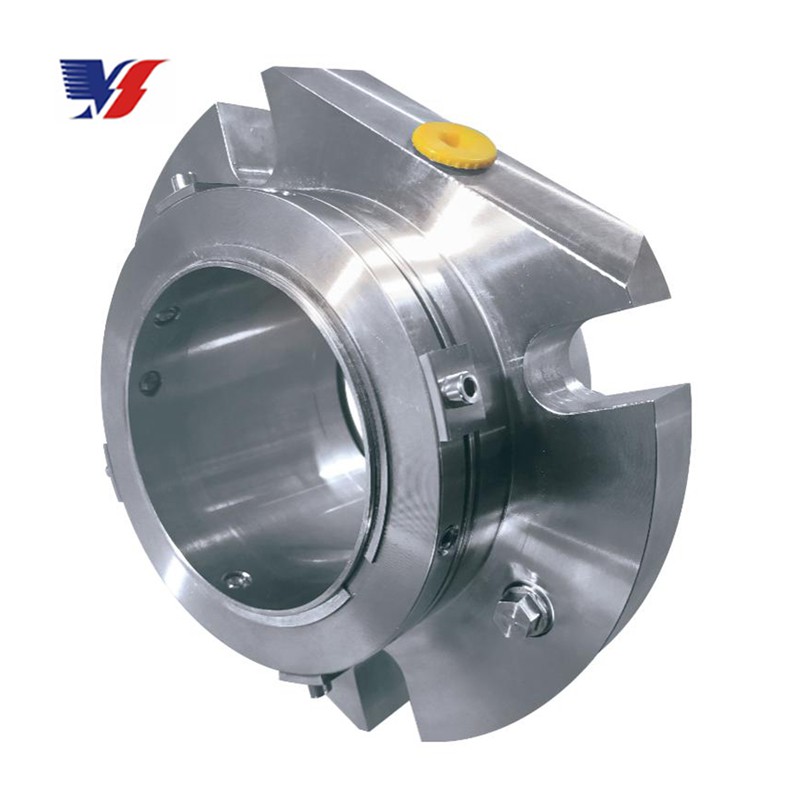
Before we dive into the testing procedures, it's essential to have a clear understanding of what a Cartridge Seal is. A cartridge seal is a pre-assembled unit that includes the seal, gland, sleeve, and other necessary components. This design simplifies installation and reduces the risk of errors during the sealing process. It is commonly used in various applications, such as pumps, compressors, and mixers, to prevent leakage of fluids and maintain the integrity of the system.
Importance of Performance Testing
Performance testing of cartridge seals is crucial for several reasons. Firstly, it ensures the reliability and safety of the equipment. A subpar seal can lead to leakage, which not only causes product loss but also poses safety hazards to the environment and personnel. Secondly, it helps in meeting regulatory requirements, as many industries have strict standards regarding the performance of seals. Thirdly, by identifying potential issues early through testing, maintenance costs can be significantly reduced, and the lifespan of the equipment can be extended.
Testing Procedures
1. Visual Inspection
The first step in testing a cartridge seal is a thorough visual inspection. This involves examining the seal for any visible signs of damage, such as cracks, scratches, or deformation. The surfaces of the seal faces should be smooth and free from any contaminants. Additionally, check the alignment of the components within the cartridge to ensure they are properly assembled. Any misalignment can lead to uneven wear and premature failure of the seal.
2. Leakage Testing
Leakage testing is one of the most critical tests for a cartridge seal. There are several methods available for conducting this test, including the pressure decay test and the bubble test.
- Pressure Decay Test: In this test, the seal is installed in a test fixture, and the system is pressurized to a specified level. The pressure is then monitored over a period of time. If there is a significant drop in pressure, it indicates that there is a leak in the seal. The rate of pressure decay can be used to quantify the leakage rate.
- Bubble Test: This test involves submerging the seal in a liquid, usually water, and applying pressure to the system. If there are any leaks in the seal, bubbles will form at the point of leakage. This method is relatively simple and can provide a quick indication of the presence of leaks.
3. Friction and Torque Testing
Friction and torque testing are important for evaluating the performance of the seal faces. Excessive friction can lead to increased wear and energy consumption, while insufficient friction can result in leakage. To conduct this test, a torque sensor is used to measure the torque required to rotate the seal. The friction coefficient can then be calculated based on the measured torque and the normal force applied to the seal faces.
4. Temperature Testing
Temperature testing is crucial for understanding the thermal behavior of the cartridge seal. High temperatures can cause the seal materials to degrade, leading to reduced performance and premature failure. To measure the temperature of the seal, thermocouples or infrared cameras can be used. The temperature distribution across the seal faces can provide valuable information about the heat generation and dissipation mechanisms within the seal.

5. Dynamic Testing
Dynamic testing involves operating the seal under actual operating conditions to evaluate its performance over time. This test can simulate the real-world conditions that the seal will encounter, such as pressure fluctuations, temperature changes, and shaft vibrations. By monitoring the performance of the seal during dynamic testing, any potential issues can be identified and addressed before they cause significant problems.
Factors Affecting Seal Performance
Several factors can affect the performance of a cartridge seal, including the following:
- Fluid Properties: The properties of the fluid being sealed, such as viscosity, temperature, and chemical composition, can have a significant impact on the performance of the seal. For example, high-viscosity fluids can increase the friction between the seal faces, while corrosive fluids can cause damage to the seal materials.
- Shaft Speed: The speed of the shaft can affect the wear rate of the seal faces. Higher shaft speeds can generate more heat and increase the friction between the seal faces, leading to faster wear.
- Pressure: The pressure differential across the seal can also affect its performance. High pressures can cause the seal faces to deform, leading to leakage.
- Installation and Alignment: Proper installation and alignment of the cartridge seal are crucial for its performance. Any misalignment can cause uneven wear and premature failure of the seal.
Case Study: Eagleburgmann Mechanical Seals for Pumps
To illustrate the importance of performance testing, let's take a look at a case study involving Eagleburgmann Mechanical Seals for Pumps. A manufacturing plant was experiencing frequent seal failures in their pumps, which was causing significant downtime and production losses. After conducting a comprehensive performance test on the seals, it was found that the seals were not properly installed and aligned, which was leading to uneven wear and leakage. By correcting the installation and alignment issues and implementing a regular maintenance schedule, the plant was able to reduce the seal failure rate by over 80%, resulting in significant cost savings and improved productivity.
Conclusion
Testing the performance of a cartridge seal is a critical step in ensuring the reliability and safety of industrial equipment. By following the testing procedures outlined in this blog post and considering the factors that can affect seal performance, you can identify and address any potential issues before they cause significant problems. As a leading Cartridge Seal supplier, we are committed to providing high-quality seals that meet the highest performance standards. If you have any questions or need further information about our Single Cartridge Mechanical Seal or other products, please feel free to contact us for a detailed discussion and potential procurement opportunities.
References
- Mechanical Seals Handbook, John Wiley & Sons
- Sealing Technology for Rotating Equipment, Elsevier
Send Inquiry