


What are the advantages of cartridge seals over split seals?
Oct 14, 2025
Leave a message
As a supplier of cartridge seals, I've had the privilege of witnessing firsthand the transformative impact these innovative sealing solutions have on various industries. In this blog, I'll share my insights on the advantages of cartridge seals over split seals, based on my years of experience in the field.
First off, let's talk about installation. One of the most significant advantages of cartridge seals is how easy they are to install. Unlike split seals, which often require a high level of technical expertise and precision during installation, cartridge seals come pre - assembled. This means that the end - user doesn't have to worry about aligning multiple components correctly. For example, in a busy industrial plant where time is of the essence, a maintenance team can quickly swap out a worn - out cartridge seal without spending hours on complex assembly. You can check out more about different Cartridge Mechanical Seal Types to understand the variety available.

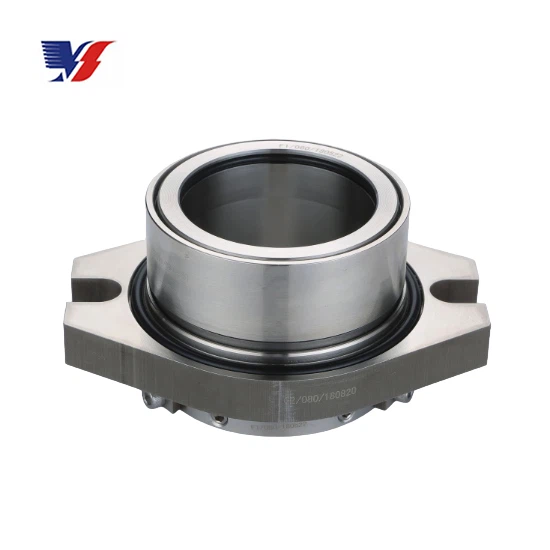
The pre - assembled nature of cartridge seals also reduces the risk of human error during installation. When installing a split seal, there are numerous small parts that need to be carefully put together. A simple mistake, like incorrect placement of a gasket or misalignment of the seal faces, can lead to seal failure. With cartridge seals, everything is already set up in the factory, so the chances of such errors are minimized. This reliability is crucial in industries where seal failure can lead to costly downtime, product contamination, or even safety hazards.
Another key advantage is the consistency of performance. Cartridge seals are manufactured under strict quality control standards. Each seal is tested thoroughly before leaving the factory to ensure it meets the required specifications. This means that when you install a cartridge seal, you can expect a consistent level of performance every time. In contrast, split seals may vary in quality depending on the skill of the installer. Even if the split seal components are of high quality, improper installation can result in inconsistent sealing performance.
Cartridge seals are also more adaptable to different operating conditions. They can be designed to handle a wide range of pressures, temperatures, and chemical environments. For instance, in the chemical processing industry, where corrosive substances are commonly used, cartridge seals can be made from materials that are highly resistant to corrosion. The flexibility in design allows cartridge seals to be customized for specific applications, ensuring optimal performance. You can learn more about how cartridge seals work in pumps on the Cartridge Seals Pumps page.
In terms of maintenance, cartridge seals are a breeze. When it's time to replace a seal, all you need to do is remove the old cartridge and install a new one. There's no need to disassemble and clean individual components as you would with a split seal. This not only saves time but also reduces the amount of maintenance labor required. In a large - scale industrial operation, this can translate into significant cost savings over time.
Now, let's touch on the cost - effectiveness of cartridge seals. While the initial purchase price of a cartridge seal may be slightly higher than that of a split seal, the long - term savings are substantial. The reduced installation time, lower risk of failure, and easier maintenance all contribute to a lower total cost of ownership. For example, fewer production interruptions due to seal failure mean more uptime and higher productivity. Additionally, the consistent performance of cartridge seals can extend the lifespan of the equipment they are installed in, further reducing overall costs.
Cartridge seals also offer better sealing performance in high - speed applications. The design of cartridge seals allows for better balance and stability at high rotational speeds. Split seals may struggle to maintain a proper seal under these conditions, leading to leakage. In industries such as power generation or high - speed pumps, where equipment operates at high speeds, cartridge seals are the clear choice for reliable sealing.
Moreover, cartridge seals are more environmentally friendly. Their superior sealing performance means less leakage of fluids, which reduces the risk of environmental contamination. In today's world, where environmental regulations are becoming increasingly strict, using cartridge seals can help companies meet these requirements and demonstrate their commitment to sustainability.
When it comes to compatibility with modern equipment, cartridge seals have an edge. As technology advances, equipment is becoming more sophisticated, and cartridge seals can be designed to integrate seamlessly with these new systems. They can be equipped with advanced features such as sensors for monitoring seal performance. These sensors can provide real - time data on parameters like temperature, pressure, and leakage, allowing for proactive maintenance and preventing unexpected failures.
In conclusion, the advantages of cartridge seals over split seals are numerous. From easier installation and maintenance to better performance and cost - effectiveness, cartridge seals are a superior choice for a wide range of applications. If you're in the market for a reliable sealing solution, I highly recommend considering Cartridge Seal. Whether you're in the manufacturing, chemical, food and beverage, or any other industry that requires effective sealing, cartridge seals can meet your needs.
If you're interested in learning more about our cartridge seals or have any specific requirements, I'd love to hear from you. Feel free to reach out to discuss your sealing needs and find the perfect cartridge seal solution for your operation.
References
- Industry reports on sealing technology
- Manufacturer's specifications for cartridge and split seals
- Case studies on the performance of cartridge and split seals in different industries
Send Inquiry