


What are the common causes of leakage in an Alfa Laval pump seal?
Jul 24, 2025
Leave a message
Hey there! As a supplier of Alfa Laval pump seals, I've seen my fair share of leakage issues in these pumps. Leakage can be a real headache, not just for the equipment's performance but also for overall operational efficiency and safety. So, let's dig into the common causes of leakage in an Alfa Laval pump seal.
1. Wear and Tear
One of the most frequent culprits behind seal leakage is plain old wear and tear. Pump seals are constantly in contact with the fluid being pumped, as well as the rotating shaft. Over time, this continuous friction can cause the sealing faces to wear down. For instance, if the pump is running at high speeds or handling abrasive fluids, the wear rate can be significantly accelerated.
The sealing faces of an Alfa Laval pump seal are designed to maintain a tight fit to prevent fluid from escaping. But as they wear, tiny gaps start to form, allowing the fluid to seep through. This is especially true for mechanical seals, where the two flat faces slide against each other. Once the surface finish is compromised, leakage is almost inevitable. To learn more about a type of seal that can be a good alternative in some cases, check out Cartridge Type Seal.
2. Improper Installation
You'd be surprised how often improper installation leads to seal leakage. Installing a pump seal is not a one - size - fits - all process. Each Alfa Laval pump seal has specific installation requirements, and if these aren't followed, problems can arise.
For example, if the seal is not centered correctly on the shaft, it can cause uneven pressure distribution on the sealing faces. This uneven pressure can lead to premature wear and eventually leakage. Also, incorrect torque settings when tightening the bolts can distort the seal housing, affecting the seal's ability to maintain a proper seal.
Another common mistake is not cleaning the mating surfaces properly before installation. Dirt, debris, or old sealant residue can prevent the seal from making a tight contact, creating pathways for fluid to leak. And let's not forget about using the wrong tools during installation. Using tools that are too large or too small can damage the seal components, leading to immediate or long - term leakage issues. If you're looking for high - quality seals that are often easy to install, take a look at Eagleburgmann Mechanical Seals for Pumps.
3. Chemical Compatibility Issues
The fluid being pumped plays a crucial role in the performance of a pump seal. If the seal material is not compatible with the fluid, it can lead to chemical degradation. Different Alfa Laval pump seals are made from various materials such as elastomers, ceramics, and metals, each with its own chemical resistance properties.
For example, if a seal made of a certain rubber material is used to pump a chemical that it's not resistant to, the rubber can swell, crack, or dissolve. This breakdown of the seal material compromises its integrity and allows fluid to leak. It's essential to know the chemical composition of the fluid and choose a seal material that can withstand it. This is where our expertise as a supplier comes in handy. We can help you select the right seal based on your specific fluid requirements. And for a type of seal that can sometimes offer better chemical resistance, check out Single Cartridge Mechanical Seal.
4. Cavitation
Cavitation is a phenomenon that occurs when the pressure of the fluid in the pump drops below its vapor pressure, causing vapor bubbles to form. These bubbles then collapse when they move to an area of higher pressure, creating shockwaves that can damage the pump components, including the seal.
In an Alfa Laval pump, cavitation can erode the sealing faces, creating pits and grooves. These surface irregularities disrupt the seal's ability to maintain a tight contact, leading to leakage. Cavitation can be caused by several factors, such as a clogged suction line, improper pump sizing, or operating the pump at the wrong speed. To prevent cavitation - related leakage, it's important to ensure proper pump operation and maintenance, including regular checks of the suction line and flow rates.
5. Thermal Stress
Temperature variations can have a significant impact on the performance of a pump seal. Alfa Laval pumps can operate in a wide range of temperatures, and sudden changes in temperature can cause the seal components to expand or contract at different rates.
For example, if a pump is suddenly exposed to a high - temperature fluid after running at a lower temperature, the metal components may expand more rapidly than the elastomeric parts. This differential expansion can create gaps between the sealing faces, resulting in leakage. Additionally, high temperatures can also cause the lubricating film between the sealing faces to break down, increasing friction and wear.
6. Shaft Misalignment
Shaft misalignment is another common cause of seal leakage. When the pump shaft is not properly aligned with the motor shaft, it can cause excessive vibration and uneven loading on the seal. This can lead to premature wear of the seal components and eventually leakage.
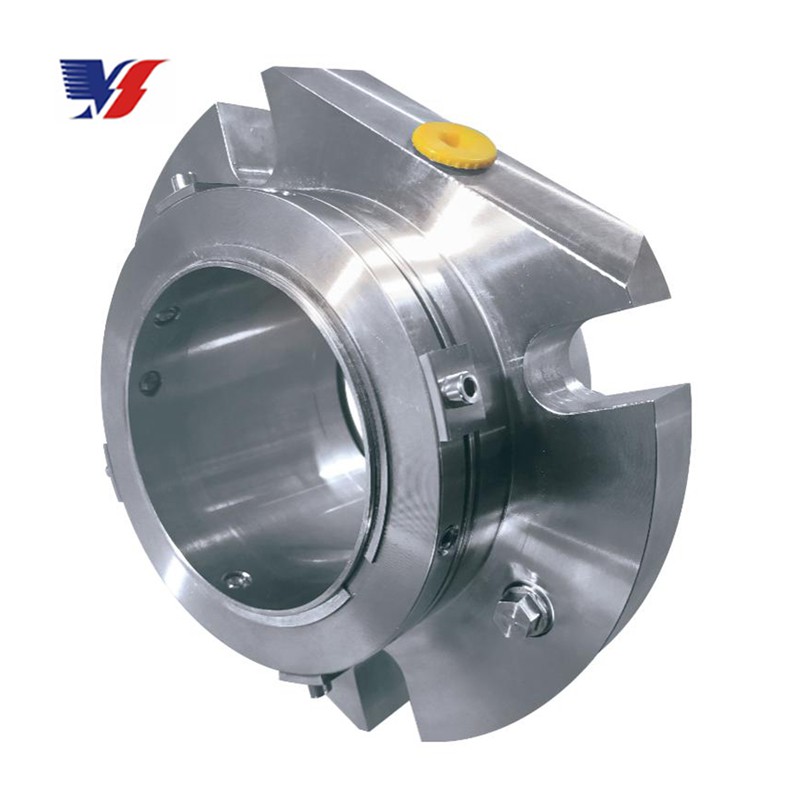

There are two types of misalignment: angular and parallel. Angular misalignment occurs when the axes of the two shafts are not parallel, while parallel misalignment happens when the shafts are parallel but offset. Both types can put stress on the seal, affecting its performance. Regular alignment checks and adjustments are necessary to prevent shaft misalignment - related leakage.
7. Lack of Lubrication
Proper lubrication is essential for the smooth operation of a pump seal. The lubricating film between the sealing faces reduces friction and wear, and also helps to maintain a tight seal. If the lubrication is insufficient or contaminated, the seal faces can overheat and wear out quickly.
In some cases, the fluid being pumped acts as a lubricant. But if the fluid is too viscous or contains abrasive particles, it can cause problems. For example, a thick fluid may not flow easily between the sealing faces, leading to dry running and increased wear. On the other hand, abrasive particles can scratch the sealing surfaces, compromising the seal.
How to Prevent Leakage
Now that we've covered the common causes of leakage in an Alfa Laval pump seal, let's talk about prevention. First and foremost, proper installation is key. Make sure to follow the manufacturer's instructions carefully and use the right tools. Regular maintenance is also crucial. This includes checking for wear, alignment, and lubrication on a regular basis.
When selecting a seal, consider the fluid being pumped, the operating conditions, and the pump's specifications. Our team of experts can help you choose the right seal for your specific needs. We have a wide range of high - quality Alfa Laval pump seals and related products to ensure your pumps run smoothly and leak - free.
If you're facing leakage issues or are looking to purchase new seals, don't hesitate to get in touch with us. We're here to provide you with the best solutions and support for all your pump seal needs. Whether it's technical advice or a direct purchase, we're ready to assist you. Let's work together to keep your pumps running at their best.
References
- Alfa Laval Pump Seal Installation Manuals
- Industry Standards for Pump Seal Maintenance and Operation
- Technical Papers on Pump Seal Performance and Failure Analysis
Send Inquiry