


What are the performance parameters of a cartridge seal?
Sep 08, 2025
Leave a message
When it comes to industrial equipment, the role of a cartridge seal cannot be overstated. As a trusted cartridge seal supplier, I've witnessed firsthand how these components are the unsung heroes in ensuring the smooth operation of various machinery. In this blog, I'll delve into the performance parameters of a cartridge seal, which are crucial for understanding its functionality and making informed decisions during procurement.
1. Pressure Rating
One of the primary performance parameters of a cartridge seal is its pressure rating. This indicates the maximum pressure the seal can withstand without failing. In industrial applications, pumps and other equipment often operate under high - pressure conditions. For example, in oil and gas pipelines, the pressure can reach several hundred pounds per square inch (psi). A cartridge seal with an appropriate pressure rating is essential to prevent leaks and maintain the integrity of the system.
Our Cartex Seal is designed to handle high - pressure environments. It has been rigorously tested to ensure that it can maintain a reliable seal even under extreme pressure conditions. The materials used in its construction, such as high - strength alloys and advanced polymers, contribute to its excellent pressure - resistance capabilities.
2. Temperature Range
Temperature is another critical factor that affects the performance of a cartridge seal. Different industrial processes operate at various temperatures, from cryogenic conditions in the food and beverage industry to high - temperature applications in chemical processing plants.
A cartridge seal must be able to function effectively within a specific temperature range. At low temperatures, the materials may become brittle, leading to cracks and leaks. On the other hand, high temperatures can cause the seal materials to expand, soften, or even degrade. Our seals are engineered to have a wide temperature range. They are made from materials that can withstand thermal cycling without losing their sealing properties. For instance, in high - temperature applications, special heat - resistant elastomers and ceramics are used to ensure the seal remains intact.
3. Shaft Speed
The speed at which the shaft rotates in a pump or other equipment is also an important performance parameter. High - speed shafts generate more heat and require seals that can handle the increased friction and mechanical stress.
Our cartridge seals are designed to accommodate different shaft speeds. For high - speed applications, we use low - friction materials and advanced lubrication techniques. This reduces the wear and tear on the seal, extending its service life. Additionally, the design of the seal is optimized to minimize vibration at high speeds, which can also cause premature failure.
4. Chemical Compatibility
In many industrial processes, the fluid being pumped or contained is often corrosive or chemically aggressive. A cartridge seal must be chemically compatible with the fluid it comes into contact with to prevent degradation and leakage.
We offer a wide range of cartridge seals with different materials of construction to ensure chemical compatibility. For example, in applications involving strong acids or alkalis, we use seals made from corrosion - resistant materials such as PTFE (polytetrafluoroethylene) or ceramic. Our Gear Pump Mechanical Seal is available in various material options to suit different chemical environments.
5. Leakage Rate
The leakage rate is a direct measure of the seal's effectiveness. A low leakage rate is desirable in most industrial applications to prevent product loss, environmental contamination, and safety hazards.
Our cartridge seals are designed to have extremely low leakage rates. Through advanced design and manufacturing techniques, we ensure that the seal faces are precisely machined and aligned to minimize the gap through which fluid can leak. Regular quality control checks are also carried out to ensure that the leakage rate meets the industry standards.
6. Wear Resistance
Wear is a common issue in cartridge seals, especially in applications where the fluid contains abrasive particles. A wear - resistant seal is essential to ensure a long service life and reliable performance.
We use high - quality materials and advanced surface treatments to enhance the wear resistance of our seals. For example, hard - faced materials such as tungsten carbide or silicon carbide are used for the seal faces. These materials can withstand the abrasion caused by solid particles in the fluid, reducing the need for frequent seal replacements.

7. Installation Ease
As a cartridge seal supplier, we understand the importance of easy installation. A well - designed cartridge seal should be easy to install, reducing downtime during maintenance or replacement.
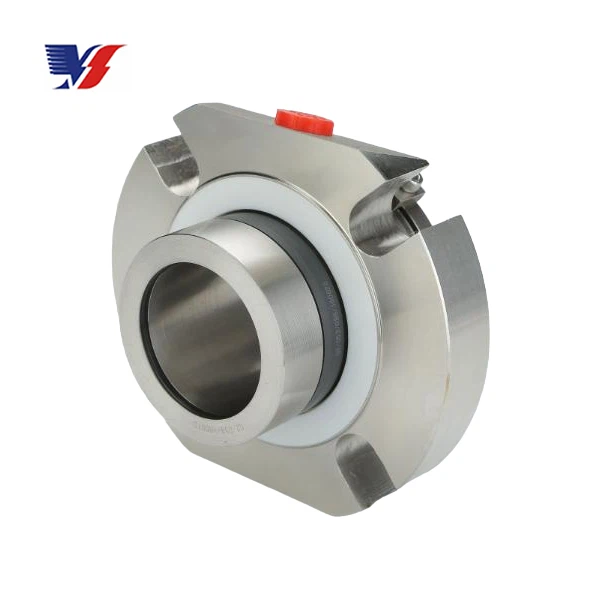
Our cartridge seals are pre - assembled and pre - set, which means they can be quickly installed without the need for complex adjustments. This saves time and labor costs for our customers. The Cartridge Seal Parts are also designed to be easily accessible and replaceable, further simplifying the maintenance process.
8. Maintenance Requirements
Low maintenance requirements are a significant advantage of a good cartridge seal. Frequent maintenance can be costly and time - consuming, leading to production disruptions.
Our cartridge seals are designed for long - term, trouble - free operation. They require minimal maintenance, such as periodic inspections and lubrication. The use of high - quality materials and advanced manufacturing techniques ensures that the seals can operate reliably for extended periods without major issues.
9. Seal Face Flatness
The flatness of the seal faces is crucial for achieving a good seal. Even a small deviation from flatness can result in leakage.
We use precision machining processes to ensure that the seal faces are extremely flat. This allows for a tight contact between the seal faces, preventing fluid from escaping. Regular quality control measures are in place to verify the flatness of the seal faces during the manufacturing process.
10. Axial and Radial Movement Tolerance
In industrial equipment, there may be some axial or radial movement of the shaft. A cartridge seal must be able to tolerate this movement without losing its sealing ability.
Our seals are designed with sufficient axial and radial movement tolerance. This is achieved through the use of flexible materials and innovative design features. For example, some of our seals have built - in springs or elastomeric elements that can compensate for small amounts of shaft movement.
Contact Us for Procurement
If you're in the market for high - quality cartridge seals, we're here to help. Our team of experts can assist you in selecting the right seal based on your specific performance requirements. Whether you need a seal for a high - pressure, high - temperature application or one that is chemically compatible with a particular fluid, we have the solution.
Contact us today to start the procurement process and ensure the reliable operation of your industrial equipment.
References
- Incropera, F. P., & DeWitt, D. P. (2002). Fundamentals of Heat and Mass Transfer. John Wiley & Sons.
- Shigley, J. E., & Mischke, C. R. (2001). Mechanical Engineering Design. McGraw - Hill.
- Perry, R. H., & Green, D. W. (1997). Perry's Chemical Engineers' Handbook. McGraw - Hill.
Send Inquiry