


What are the selection criteria for cartridge seal parts in different pumps?
Sep 18, 2025
Leave a message
Selecting the right cartridge seal parts for different pumps is a critical decision that can significantly impact the performance, reliability, and longevity of the pumping system. As a trusted supplier of Cartridge Seal Parts, I understand the importance of making informed choices. In this blog, I'll delve into the key selection criteria for cartridge seal parts in various types of pumps.
Compatibility with Pump Type
The first and foremost criterion is the compatibility of the cartridge seal parts with the specific type of pump. Different pumps, such as centrifugal pumps, positive displacement pumps, and rotary pumps, have distinct operating characteristics and requirements.
Centrifugal pumps are widely used in various industries due to their simplicity and efficiency. They operate by converting rotational energy into kinetic energy to move fluid. For centrifugal pumps, cartridge seal parts need to be designed to handle the high rotational speeds and pressures typically associated with these pumps. The seal faces should be able to withstand the dynamic forces generated by the impeller and maintain a reliable seal even under varying flow conditions.
Positive displacement pumps, on the other hand, operate by trapping a fixed amount of fluid and then forcing it into the discharge pipe. These pumps are often used for applications that require precise flow control and high pressure. Cartridge seal parts for positive displacement pumps must be able to handle the pulsating flow and high-pressure differentials. They also need to be resistant to wear and tear caused by the repeated compression and expansion of the fluid.
Rotary pumps use rotating elements to move fluid. They are commonly used in applications where a continuous flow of fluid is required. The cartridge seal parts for rotary pumps should be designed to provide a tight seal against the rotating elements and prevent leakage. They also need to be able to withstand the high temperatures and pressures that can occur in these pumps.
Fluid Compatibility
Another crucial factor in selecting cartridge seal parts is the compatibility of the seal materials with the fluid being pumped. Different fluids have different chemical properties, such as pH, viscosity, and temperature, which can affect the performance of the seal.
For example, if the fluid being pumped is corrosive, the cartridge seal parts must be made of materials that are resistant to corrosion. Common materials used for corrosive applications include stainless steel, ceramic, and carbon. These materials can withstand the chemical attack of acids, alkalis, and other corrosive substances.
If the fluid is abrasive, the seal faces need to be made of hard and wear-resistant materials. Tungsten carbide and silicon carbide are commonly used for abrasive applications because they have high hardness and wear resistance. They can withstand the erosion caused by solid particles in the fluid.
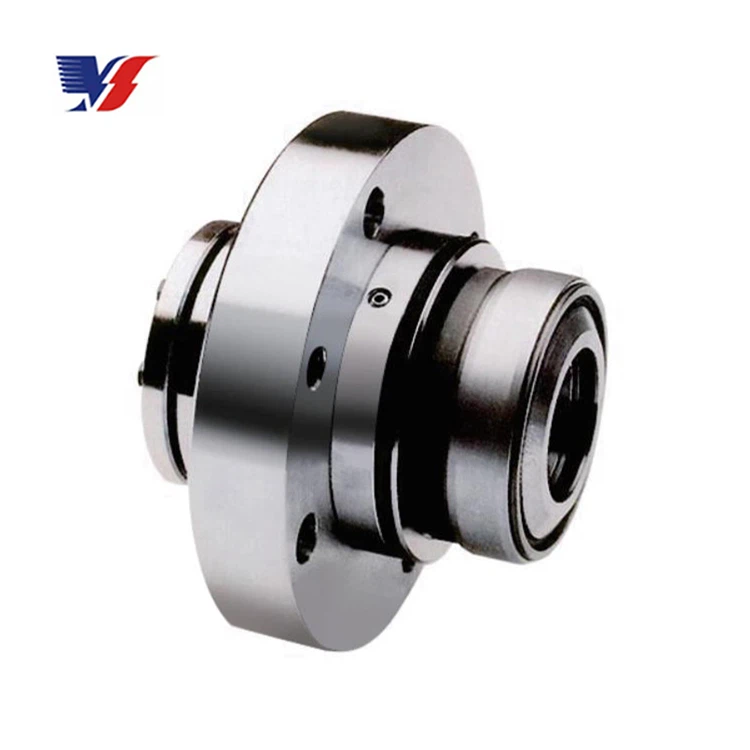

In addition to chemical and abrasive resistance, the seal materials also need to be compatible with the temperature of the fluid. Some fluids may require the use of high-temperature-resistant materials, such as graphite or PTFE, to prevent the seal from degrading or failing due to thermal stress.
Operating Conditions
The operating conditions of the pump, such as pressure, temperature, and speed, also play a significant role in the selection of cartridge seal parts.
The pressure differential across the seal is an important consideration. High-pressure applications require cartridge seal parts that are designed to withstand the high forces generated by the pressure difference. The seal faces need to be able to maintain a tight seal under high pressure to prevent leakage.
Temperature can also have a significant impact on the performance of the seal. High temperatures can cause the seal materials to expand, which can lead to increased friction and wear. Low temperatures can make the seal materials brittle, which can increase the risk of cracking and failure. Therefore, the cartridge seal parts must be selected based on the temperature range of the application.
The speed of the pump is another factor to consider. High-speed pumps generate more heat and require cartridge seal parts that are designed to dissipate heat effectively. The seal faces need to be able to maintain a stable contact under high-speed conditions to prevent leakage.
Seal Design
The design of the cartridge seal also affects its performance and suitability for different pumps. There are several types of cartridge seal designs available, each with its own advantages and disadvantages.
Single mechanical seals are the most common type of cartridge seal. They consist of a single set of seal faces that are in contact with each other to prevent leakage. Single mechanical seals are relatively simple and cost-effective, but they may not be suitable for applications that require high reliability or where the fluid being pumped is hazardous.
Double mechanical seals, on the other hand, consist of two sets of seal faces separated by a buffer fluid. The buffer fluid provides an additional barrier against leakage and helps to cool and lubricate the seal faces. Double mechanical seals are more reliable and suitable for applications where the fluid being pumped is hazardous or where a high level of leakage prevention is required.
Tandem mechanical seals are similar to double mechanical seals, but they have an additional set of seal faces in series. Tandem mechanical seals provide an even higher level of leakage prevention and are often used in critical applications where the consequences of leakage are severe.
Ease of Installation and Maintenance
The ease of installation and maintenance of the cartridge seal parts is also an important consideration. Cartridge seals are designed to be pre-assembled and pre-set, which makes them easier to install compared to traditional mechanical seals. However, some cartridge seal designs may be more complex and require specialized tools and expertise for installation.
In addition to installation, the maintenance requirements of the cartridge seal parts should also be considered. Some seals may require regular inspection, lubrication, or replacement of parts to ensure optimal performance. The cartridge seal parts should be designed to be easily accessible for maintenance and replacement.
Cost
Finally, the cost of the cartridge seal parts is also a factor to consider. While it's important to select high-quality seal parts that meet the requirements of the application, it's also necessary to balance the cost with the performance and reliability of the seal.
In some cases, it may be possible to save costs by choosing a less expensive seal design or material that still meets the basic requirements of the application. However, it's important to note that choosing a low-cost seal may result in reduced performance, increased maintenance requirements, and a shorter lifespan. Therefore, it's essential to consider the long-term cost of ownership when selecting cartridge seal parts.
Conclusion
Selecting the right cartridge seal parts for different pumps is a complex decision that requires careful consideration of several factors, including pump type, fluid compatibility, operating conditions, seal design, ease of installation and maintenance, and cost. As a supplier of Cartridge Seal Parts, I can provide you with the expertise and guidance you need to make the best choice for your specific application. If you have any questions or need assistance in selecting the right cartridge seal parts, please don't hesitate to contact me. I'm here to help you ensure the optimal performance and reliability of your pumping system.
References
- Mechanical Seals Handbook, John R. Boling, McGraw-Hill Professional
- Pump Handbook, Igor J. Karassik, McGraw-Hill Professional
- Seal Design and Application Handbook, John R. Boling, Elsevier
Send Inquiry